Indoor vs Outdoor LED Screen Hire: A Practical Guide for Event Planners
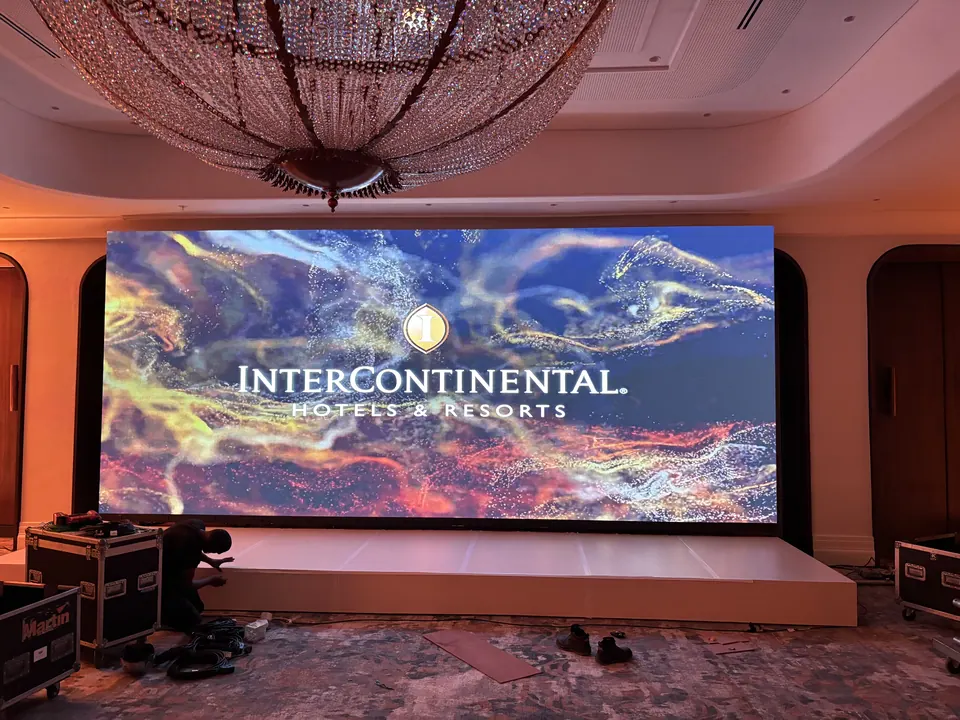
LED screens have become the centrepiece of modern events – from conference stages and product launches to festival main stages. But “an LED screen” covers a wide range of products. Choosing the right one comes down to four things: where it’s going, how far away your audience is, what you’re showing on it, and how it will be run on the day.
Indoor and outdoor panels are built differently
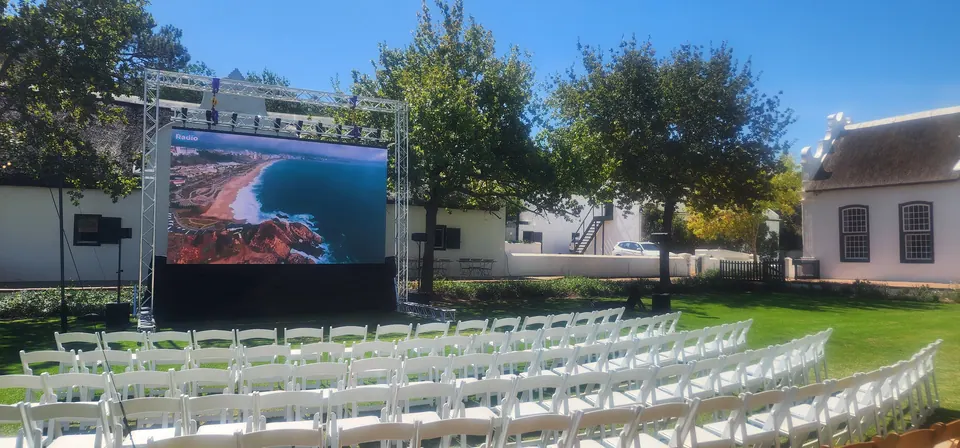
Outdoor LED panels are much brighter, so they stay readable in direct sunlight, and they’re built to cope with dust and weather. Indoor panels are less bright – which is a good thing in a darkened ballroom – and usually have a finer pixel pitch for sharper detail up close.
Using an indoor screen outdoors in daylight will look washed out; using a very bright outdoor screen in a small indoor venue can be uncomfortable to look at unless it’s dimmed correctly.
Pixel pitch and viewing distance
Pixel pitch is the distance between the centres of two LEDs, measured in millimetres. The smaller the number, the closer your audience can sit before they notice individual pixels.
- Close viewing (front rows a few metres away, presentations with small text): choose a finer pitch.
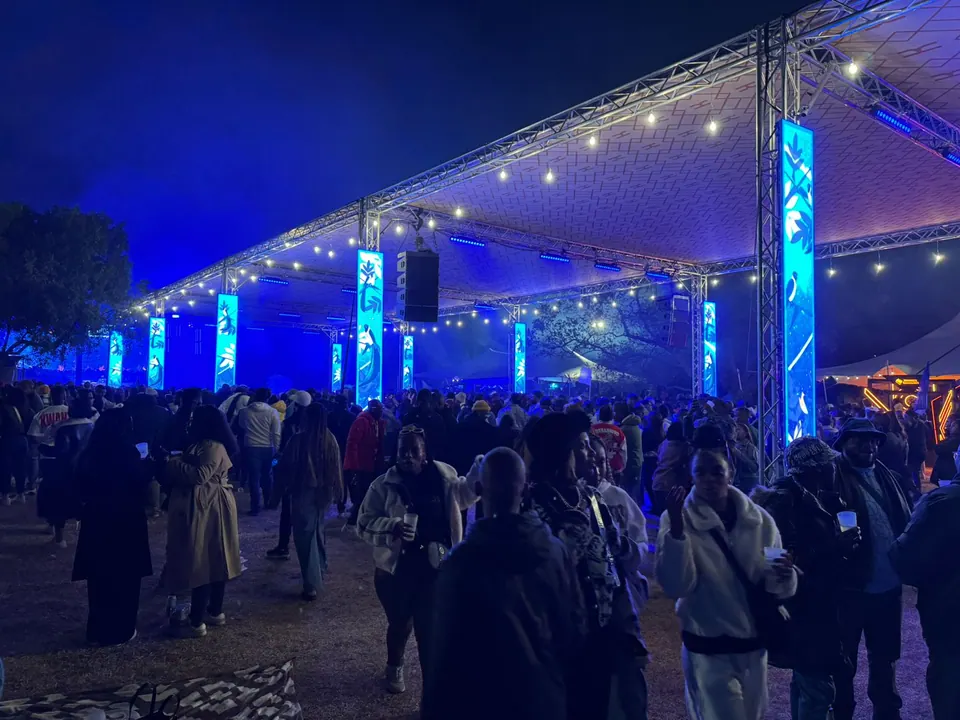
- Large rooms and outdoor stages (audience further back): a larger pitch is perfectly sharp at distance and usually more cost-effective.
A good supplier will ask about your room layout and audience distance before recommending a product.
Size and shape: think in panels, not inches
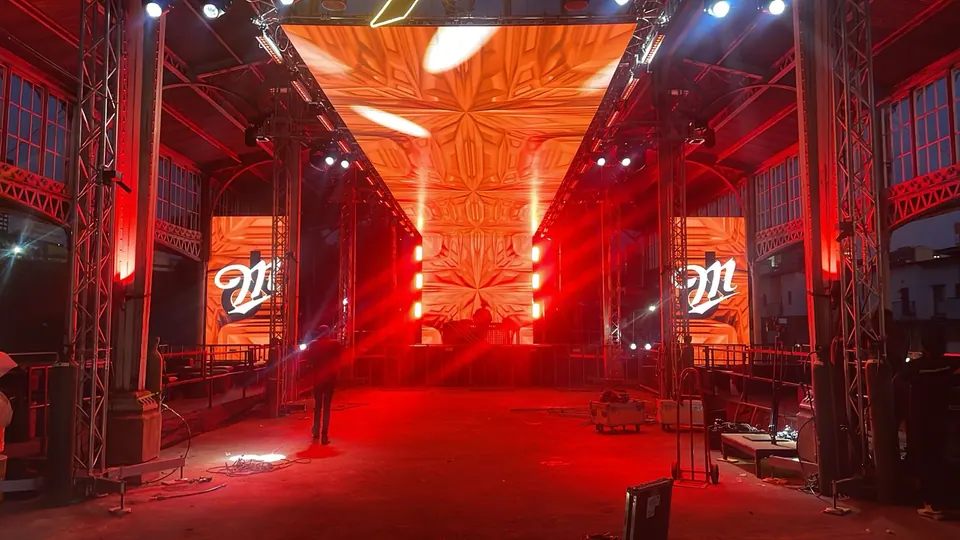
LED walls are built from modular panels, so size and shape are flexible. That’s a creative opportunity – wide screens behind a stage, portrait side screens, or a shape built into the set design. It also means your content must be made for the exact resolution of the wall you hire, which often isn’t a standard 16:9.
Content: the part most events leave too late
A spectacular screen with poorly formatted slides is a missed opportunity. Plan your content early:
- Ask your supplier for the exact pixel resolution of the screen layout.
- Create slides and videos at that resolution – or brief a content team to.
- Use bold, high-contrast visuals; avoid long paragraphs of text.
- Prepare walk-in loops, sponsor slides and speaker name cards in advance.
Live camera feeds
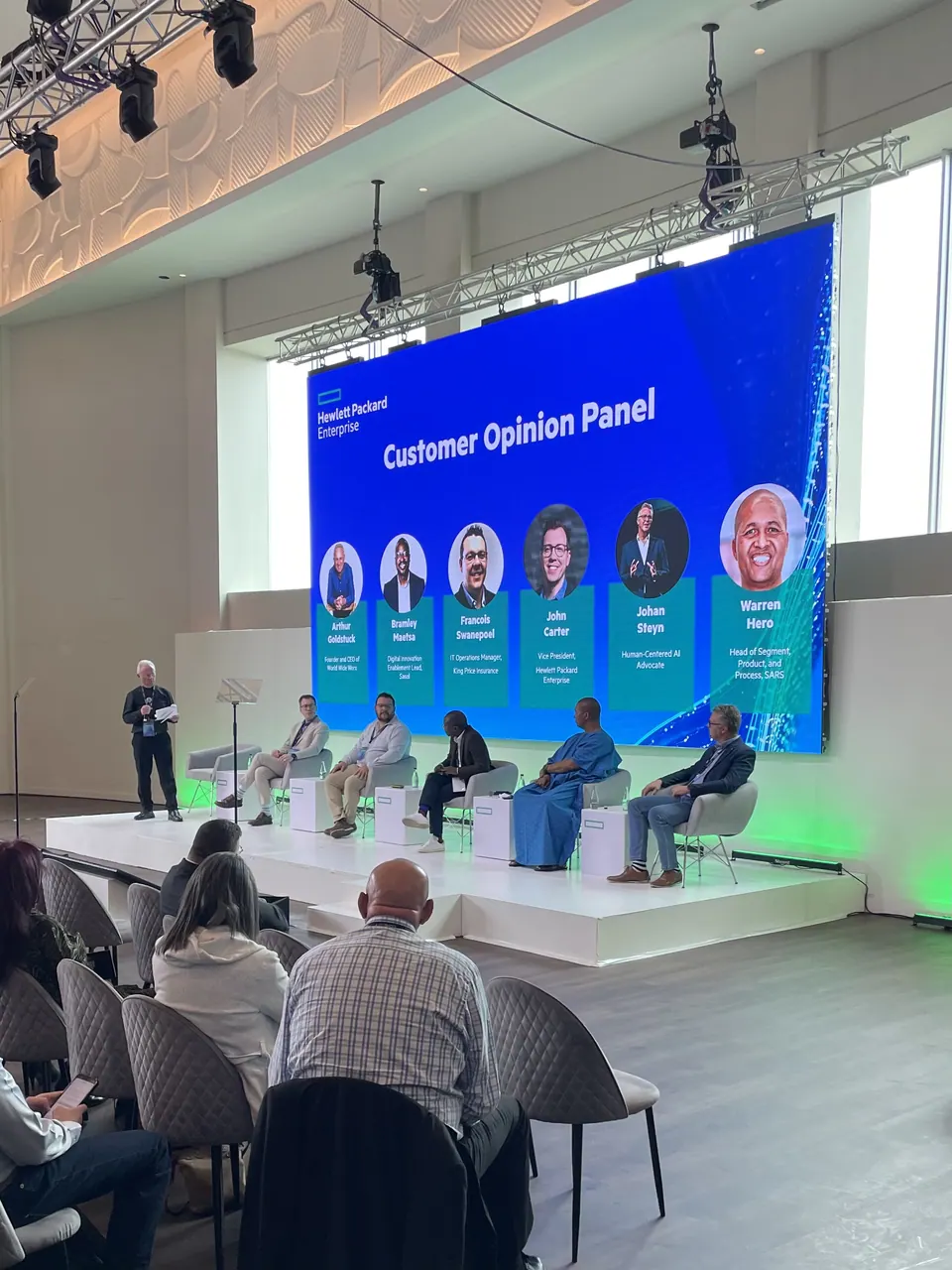
For bigger audiences, showing the speaker or performer on the screen with a live camera feed makes the experience far more personal for people at the back. This needs camera operators and a vision switcher to move between cameras, slides and video cleanly.
Questions to ask before you book
- Is the screen indoor or outdoor rated, and what pixel pitch is it?
- Who builds, operates and strikes it – and do they stay for the event?
- What’s the exact resolution for our content team?
- What power and rigging or ground support does it need?
- Can you also supply cameras and someone to switch the live feed?
Get these answers early and your screen becomes the hero of the event, not a last-minute headache.
#LED screens#Conferences#Festivals#Gear guide
Related services